
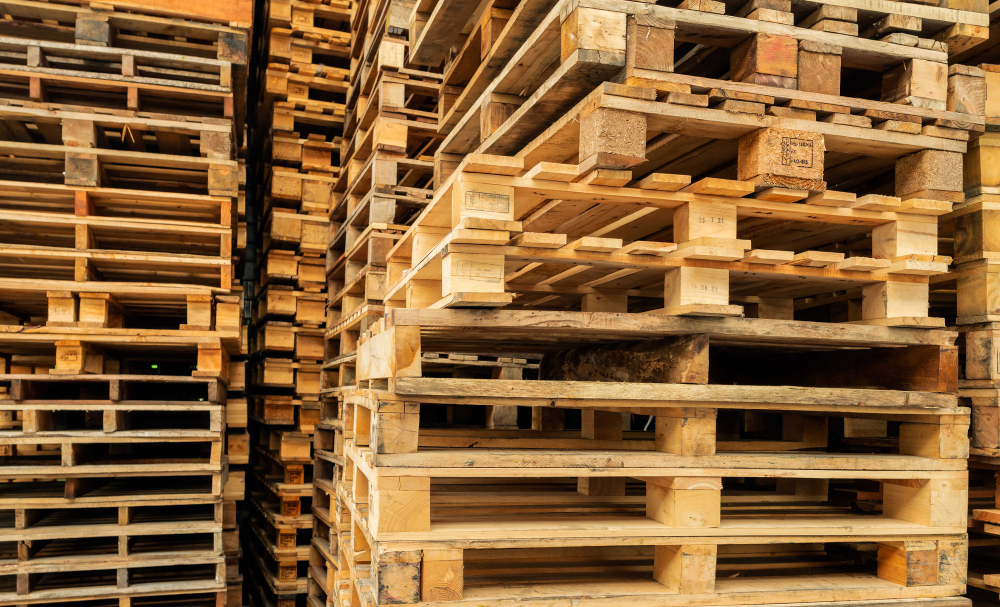
Pallets are a critical component in the logistics and supply chain industries, serving as the foundation for efficient transportation and storage of goods. Understanding the intricacies of standard pallets, including their sizes, materials, and uses, is essential for any business involved in shipping and warehousing. This guide delves into the specifics of standard pallets, offering insights that can enhance operational efficiency and decision-making in logistics operations.
Standard Pallet Sizes
Standard pallets come in several sizes, optimized for different markets around the world. These sizes are designed to maximize space and ensure compatibility with various transportation modes.
- North American Standard: 48×40 inches, commonly used in the United States and Canada, ideal for retail and grocery industries.
- European Standard (EUR/EPAL Pallet): 1200×800 mm, widely used across Europe, particularly in countries adhering to the ISO standards.
- Australian Standard: 1165×1165 mm, predominantly used in Australia, suitable for the railway and shipping industries.
Materials Used in Standard Pallets
The materials chosen for pallet construction significantly impact their durability, weight, and cost. The following are the most common materials used:
Wooden Pallets
Wooden pallets are the most traditional and widely used type due to their cost-effectiveness and strength. They are easily repairable and recyclable, making them an eco-friendly choice. However, they can be heavy and susceptible to damage from moisture.
Plastic Pallets
Plastic pallets offer advantages such as resistance to moisture, pests, and chemical contamination. They are lightweight and have a longer lifespan compared to wooden pallets. Despite a higher initial cost, their durability and hygienic properties make them suitable for industries like pharmaceuticals and food and beverage.
Metal Pallets
Metal pallets, typically made from steel or aluminum, are known for their robust construction and high load-bearing capacity. They are ideal for heavy-duty applications but are less common due to their heavier weight and higher cost.
Uses of Standard Pallets
Standard pallets serve various purposes across different sectors, enhancing the efficiency of operations and reducing handling costs.
- Logistics and Warehousing: Facilitate efficient storage and transportation of goods, reducing manual handling and improving safety.
- Retail and Distribution: Ensure consistent product placement and ease of handling, streamlining the supply chain from manufacturing to retail shelves.
- Manufacturing: Support assembly line processes by keeping raw materials and finished goods organized and accessible.
Choosing the Right Pallet
When selecting a pallet, consider factors such as load capacity, durability, and environmental impact. The choice of pallet size and material should align with the specific needs of the operation and the regulatory requirements of the region.
For businesses seeking to optimize their supply chain, investing in the right type of standard pallets can significantly affect operational success. Understanding the different sizes, materials, and applications helps in making informed decisions tailored to specific logistics needs.