
Best Jewelry Store in Dearborn MI: Find Your Perfect Piece

Generated Image

Discovering the perfect piece of jewelry can be an exhilarating journey, whether it is for a special occasion or simply to add a touch of elegance to everyday wear. Dearborn, MI is home to an exquisite array of jewelry stores that cater to diverse tastes and preferences. With a commitment to quality and customer satisfaction, the best jewelry stores in Dearborn offer a stunning selection of pieces ranging from timeless classics to contemporary designs. This article explores how to find the best jewelry store in Dearborn, MI, and what makes an exceptional choice when searching for the perfect piece.

Factors to Consider When Choosing a Jewelry Store

Choosing the right jewelry store is crucial to finding the piece that resonates with your style and occasion. Here are some factors to consider:

  • Reputation: Opt for stores with a solid reputation and positive customer reviews. They are likely to offer quality products and excellent service.
  • Selection: A diverse collection of jewelry, including options for both traditional and modern tastes, ensures a wider choice.
  • Expertise: Knowledgeable staff who can provide guidance and insights into the pieces can enhance the shopping experience.
  • Pricing: Competitive pricing along with transparency in costs can significantly influence your decision.
  • Services: Consider additional services offered, such as custom designs, repairs, and cleaning.

The Appeal of Gold Jewelry

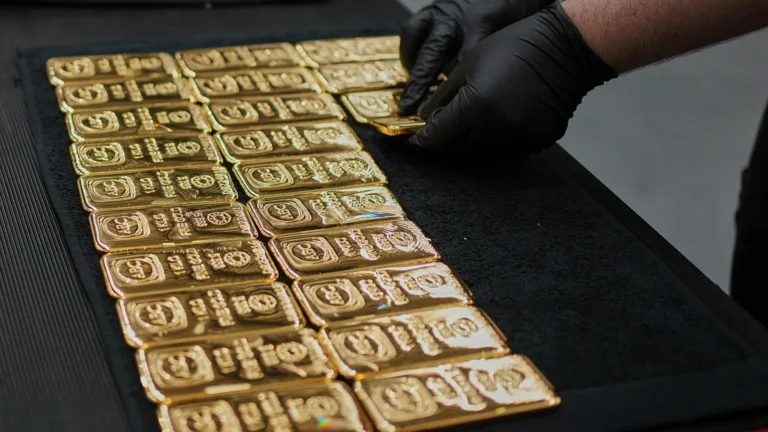
Gold jewelry has long been cherished for its beauty and timelessness. When searching for buy and sell gold jewelry near me, it’s essential to select a store that understands its intrinsic value and offers high-quality pieces. Key factors include:

  • Purity: Ensure that the store provides gold pieces with verified purity levels such as 14K, 18K, or 24K.
  • Design Variety: From simple, elegant designs to intricate and bold creations, a broad design selection can cater to various tastes.
  • Certification: Look for stores that offer certification for their gold jewelry, guaranteeing authenticity.

Exploring Jewelry Trends

Staying updated with the latest trends can help in selecting a piece that not only complements personal style but also reflects current fashion. Some popular trends include:

  • Mixing Metals: Combining different metals in one piece or ensemble is increasingly popular for a modern look.
  • Personalization: Customized pieces, such as engraved initials or birthstones, add a unique touch.
  • Sustainable Jewelry: With growing environmental awareness, many are opting for pieces made from recycled materials.

Finding the Right Store in Dearborn, MI

Dearborn is home to some of the best jewelry store dearborn mi options, offering a rich selection of pieces and expert service. An ideal store will offer:

  • Customer Experience: A welcoming atmosphere with attentive staff ready to assist in making the right choice.
  • Customization Options: The ability to create bespoke pieces tailored to specific preferences.
  • Convenient Location: A centrally located store that is easily accessible will enhance the shopping experience.

Conclusion

The best gold jewelry stores near me in Dearborn, MI, blend tradition with innovation, offering not only an array of exquisite pieces but also a dedication to customer satisfaction and quality. Whether seeking a timeless piece or a trendy design, the right store can make all the difference in transforming a simple purchase into a memorable experience. Investing the time to explore and select the perfect piece will ensure that it becomes a cherished addition to any collection.

Design Patents vs. Utility Patents: Key Differences

Generated Image

Intellectual property is a critical asset for innovators and businesses alike, protecting inventions and designs from unauthorized use. Within the realm of patents, two primary types exist: design patents and utility patents. While both serve to safeguard intellectual property, they cater to different aspects of innovation. Understanding the key differences between these patents is essential for inventors to make informed decisions about protecting their creations.

Understanding Design Patents

Design patents protect the ornamental characteristics of an item. This type of patent is particularly relevant for products where aesthetic appeal is a significant aspect of consumer interest. Design patents cover:

  • The shape or configuration of an article
  • The surface ornamentation applied to an article
  • The combination of an article’s shape and surface ornamentation

To successfully secure a design patent, the design must be novel and non-obvious. Applications typically include drawings or photographs that clearly illustrate the claimed design. Discover expert strategies here.

Exploring Utility Patents

Unlike design patents, utility patents protect the functional aspects of an invention. They are applicable to new processes, machines, manufactures, and compositions of matter. Utility patents are often more complex and require a comprehensive description of how the invention works. Key elements include:

  • Detailed descriptions of the invention
  • Claims that define the scope of the patent protection
  • Drawings that illustrate the invention, when necessary

The process of obtaining a utility patent can be more rigorous and involved, necessitating a thorough understanding of technical specifications. Learn about our tailored solutions for utility patent applications. Find out more about this approach.

Key Differences Between Design and Utility Patents

Scope of Protection

The most significant difference lies in what each patent protects. A design patent covers the visual appearance of a product, while a utility patent covers the functional and structural aspects. This distinction is crucial for inventors to ensure they pursue the correct type of protection for their innovation.

Application Process

Design patents generally have a simpler and faster application process compared to utility patents, which require a more detailed and technical examination. The complexity of utility patent applications often results in longer processing times and potentially higher costs. For comprehensive guidance, explore advanced guides and tips.

Duration of Protection

The term of protection also varies between these two types of patents. Design patents are typically granted for a period of 15 years from the date of grant, without the need for maintenance fees. In contrast, utility patents last for up to 20 years from the filing date, but require periodic maintenance fees to remain in force.

Choosing the Right Patent for Your Needs

Selecting between a design patent and a utility patent depends largely on the nature of the invention and the inventor’s objectives. For products where appearance is a primary selling point, a design patent may be more appropriate. However, for inventions that provide technical solutions or advancements, a utility patent is generally more suitable.

Successful patent strategies often integrate both types of patents to provide comprehensive protection for an invention’s design and functionality. For inventors seeking to navigate the complexities of patent applications, professional guidance is invaluable. Learn more about our tailored solutions.